Conference Location
|
|
|
History |
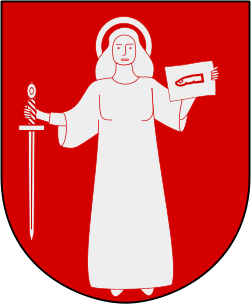
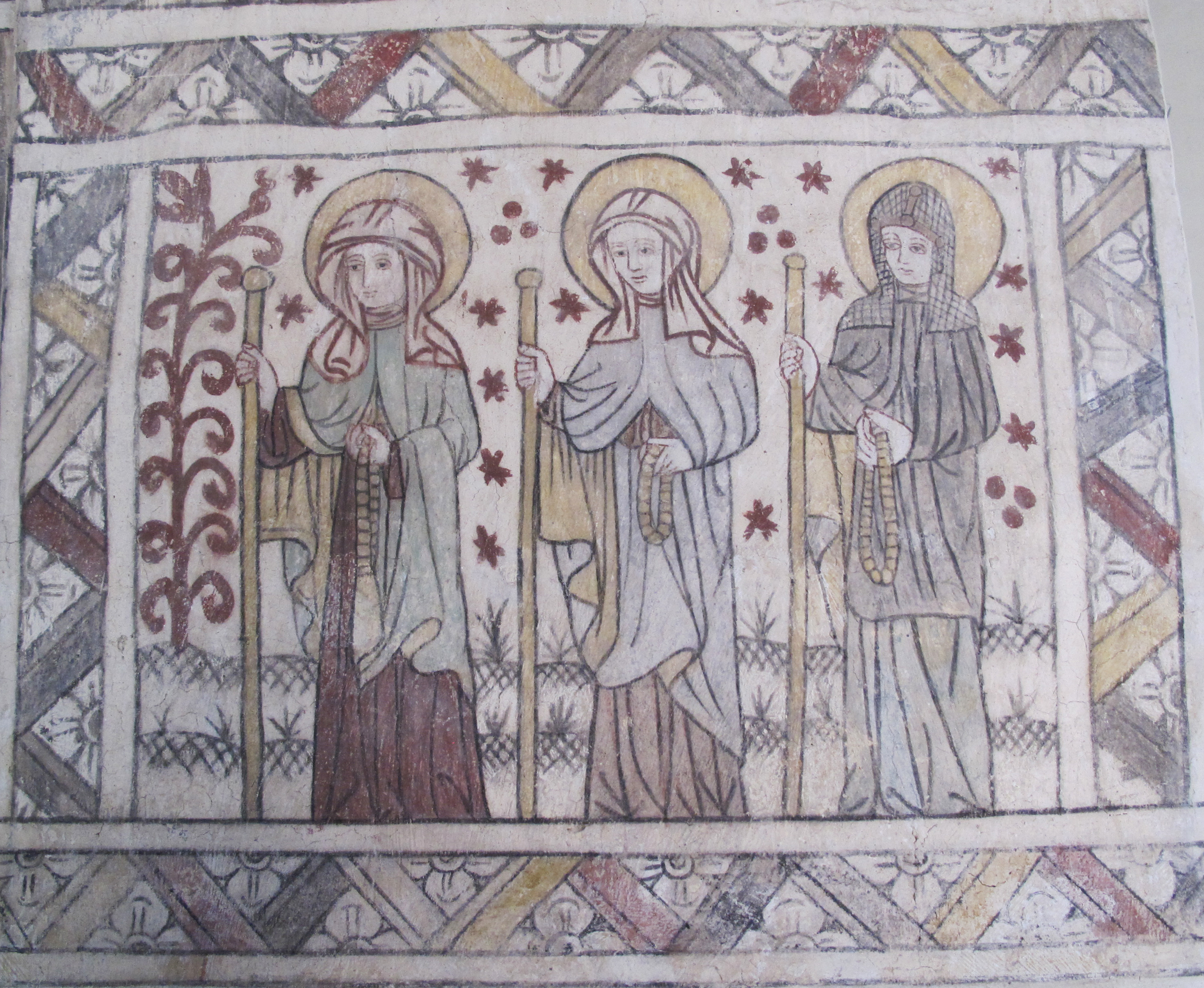
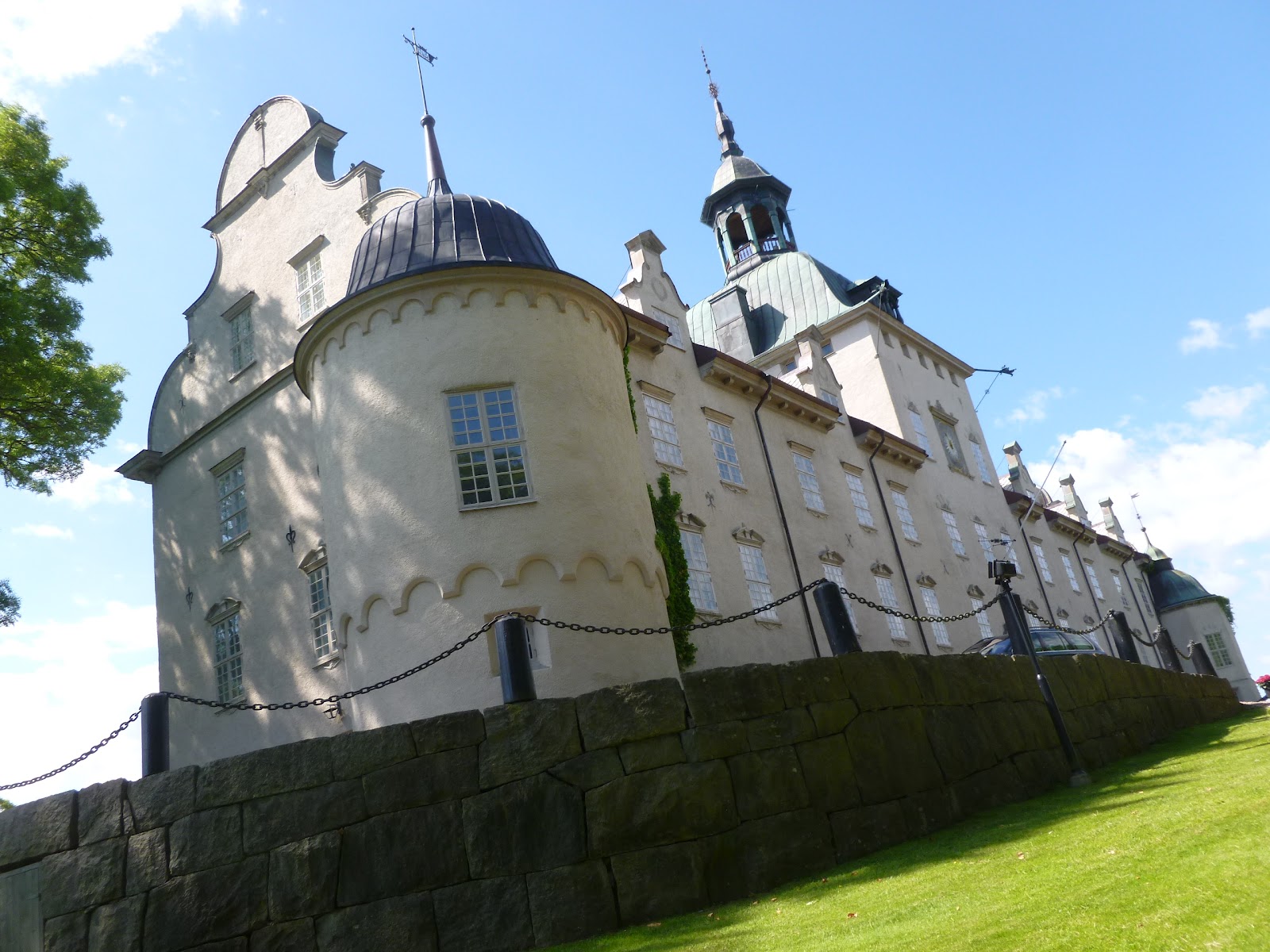
Skövde traces its history back to the medieval age. In Skövde's city coat of arms is the image of Saint Elin (also known as Saint Helena), who was considered a pious woman from Skövde. According to legend, she was murdered on the way to a church consecration. She was canonized on 30 July 1164 by Pope Alexander III and Archbishop Stefan of Sweden. During the Middle Ages, people made pilgrimages to Elin’s grave, and this contributed to the city’s development and growth. During the Middle Ages Skövde was a successful city, the economy thriving and Skövde eventually developed into a city of significant importance. |
|
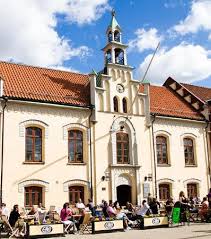
The city was at this time probably not especially great in area or population, rather its greatness lay in that it was once home to the Patron Saint of the Diocese, St. Elin. The pilgrims travelled here to visit the Saint’s origin and burial place, and the commerce around the pilgrims came to be an important prerequisite for Skövde’s development in the ensuing century. The exact year when Skövde got its town charter is unknown, but it can be assumed to be sometime around the year 1400 when the city was mentioned in a tax roll. At the beginning of the 1500s, King Gustav Vasa confirmed the town’s charter in a letter. |
|
 |
If the 1400s was marked by success, then the 1500s saw an emergent decline for the city. The main reason for this was the Reformation and the transition to the Lutheran faith. They wanted to cleanse out all forms of idol worship in the form of saintly cults from the churches; these churches were emptied of treasures and relics, and Skövde itself did not escape. Pilgrims ceased to travel here and a large part of the city's revenue disappeared practically overnight. King Gustav Vasa also had plans to move the city together with some other cities of the West Göta region to Hornborgasjön ("Lake Hornborg") in order to build a great city. |
|
In 1520 the first documented setback took place for Skövde. The Danish King, Kristian II, undertook his third military campaign against Sweden. One of the Danish armies swept through Västergötland (Western Götland) and burned down Skövde, Falköping, Skara and Bogesund (now Ulricehamn), decimating the local population to 134. |
|
 |
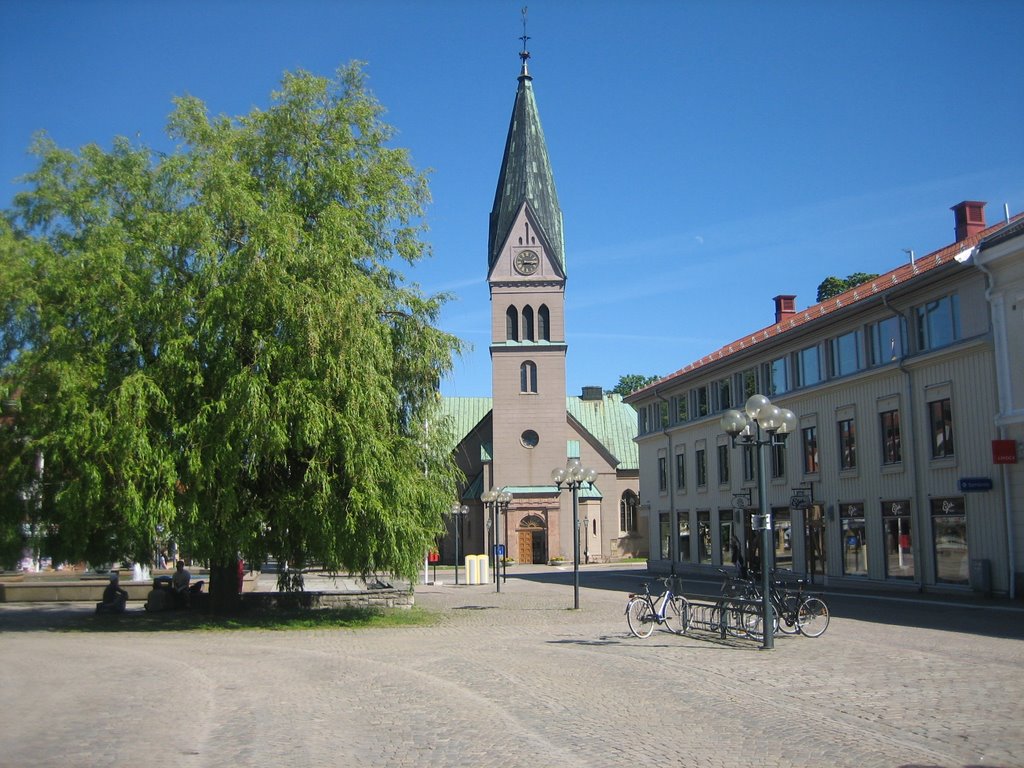
The year 1759 saw the destruction of central Skövde in a large fire. A block of old wooden houses are preserved, and together with a botanical garden, form the cultural reserve Helénsparken. The oldest house in the park, Helénsstugan (“Heléns cottage”) is from the early 1700s. Next to Hertig Johan’s Torg ("Duke Johan’s Square") is Saint Helena's Church and church park. |
|
In the early 1800s, the town was dominated by one-storey houses. The roofs were usually covered with straw, reeds, peat or boards. Only in 1850 did it become common to use brick. During the 1800s the first half of the year had six or seven markets in Skövde. 1847 saw the introduction of market square days, which soon came to have the character of regular market days, so the market came to be limited to two times a year, one in spring and one in autumn. An important market was the remounting market (“remonterinsmarknaden”), or horse market, that occurred annually on 19 September. It was widely known, even beyond the country’s borders. Buyers came from the cavalry and artillery regiments, but also individual buyers from Norway, Denmark and Germany, to buy young horses. The trade was so great that several thousand horses could change hands in a single day. |
|
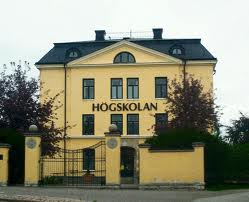 |
In 1858, the population of the city increased and soon the railway stood finished. In 1859, the Västra stambanan (“Western Main Line”) was inaugurated. On 18 June 1870, a hydrotherapy spa opened nearby the railway station, which had the effect of Skövde experiencing a short period as a spa resort. The hydrotherapy spa founded by Dr. Lars G Dovertie and was busily frequented by during the 1870s and 1880s. Since 1992, the spa has been a student union building. |
|
In 1884 a company was formed to meet the need of an indoor riding arena. The city voluntarily donated a spot just north of the city. The riding school was later to become a key player in future discussions about placing regiments in Skövde. 1889 brought the issue of trying to get Livregementets husarers (“The Life Regiment Hussars”) recruit school to Skövde. Since 1896 the Husarernas rekrytskola ("Hussars Recruit School") has been located in Skövde. |
|
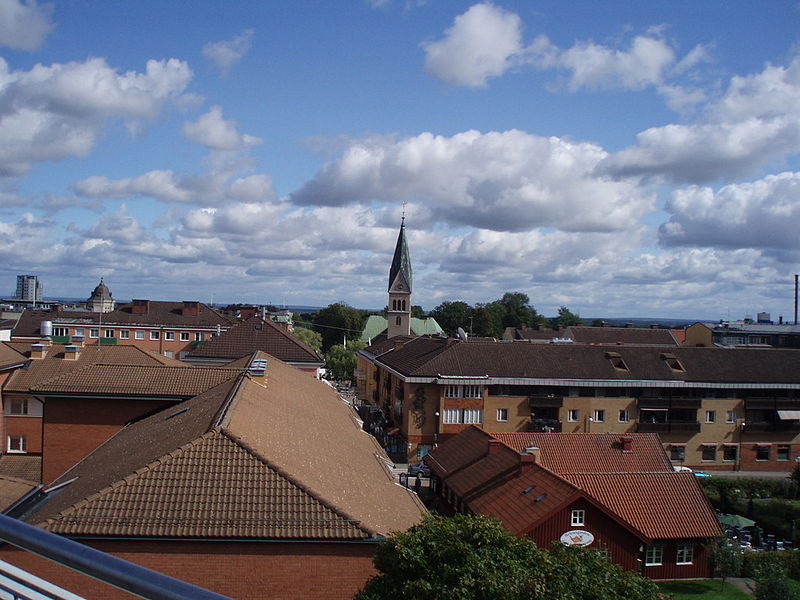 |
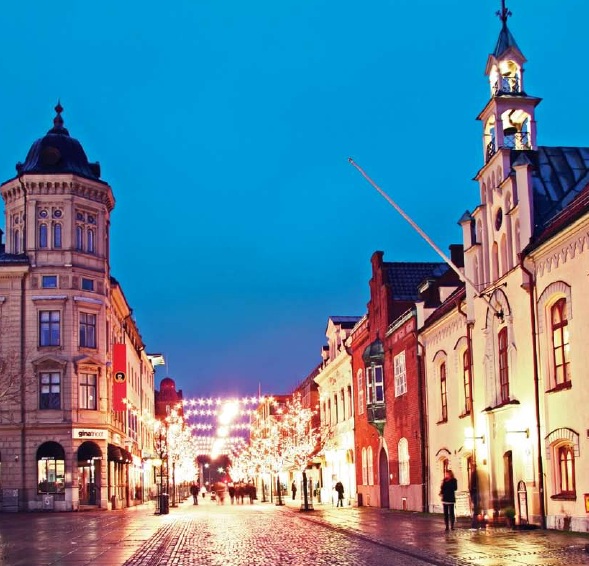
The latter half of the 20th century was characterised by furious redevelopment, bringing parking lots, the creation of monumental buildings, some arguably more beautiful than others. Centuries-old features of the cityscape were erased, in particular all the old wooden housing settlements in the old town’s western part. |
Parts of this text were copied from 
Conference Venue
|
|
 E-mail:
  Tel: +46-(0)500-448541
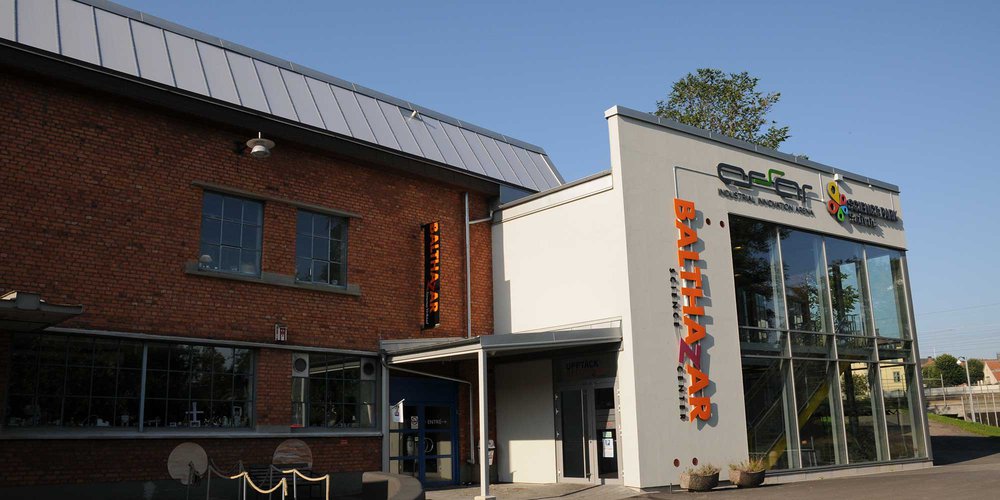
The ASSAR Industrial Innovation Arena is part of Science Park Skövde, but located in the Volvo area. The ASSAR project was created on the initiative of Science Park Skövde AB, the University of Skövde, IDC West Sweden AB, Volvo Car Corporation and the Volvo Group.The meeting room will be the ASSAR stage.
Getting to Skövde and ASSAR
By Plane |
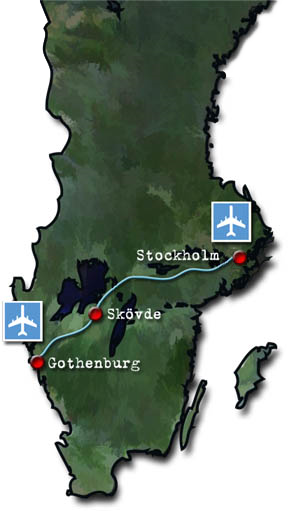
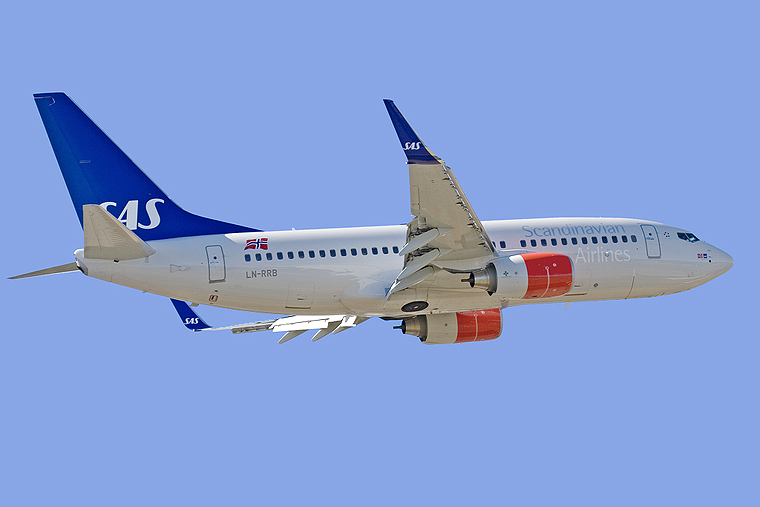
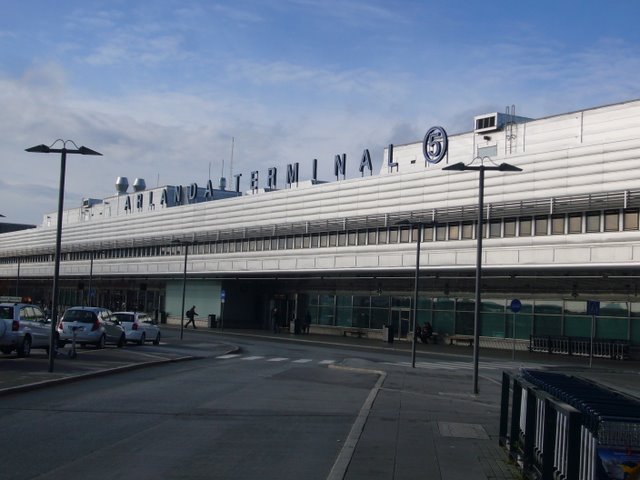
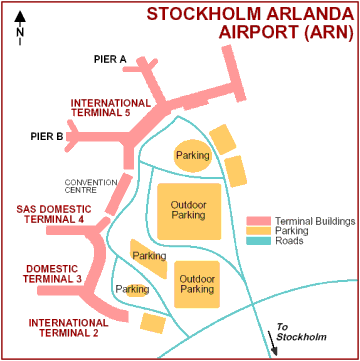
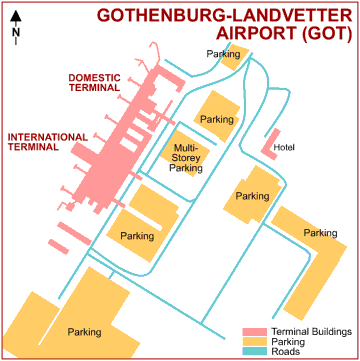
The best way to reach Skövde is to fly to Stockholm Arlanda Airport or Göteborg(Gothenburg) Landvetter Airport and take the train from there to Skövde. (See below) In Stockholm, the airport train arrives in Stockholm central station, from where you can switch to a train for Skövde. In Gothenburg there is a shuttle bus every twenty minutes to the train station.
| ||
By Train |
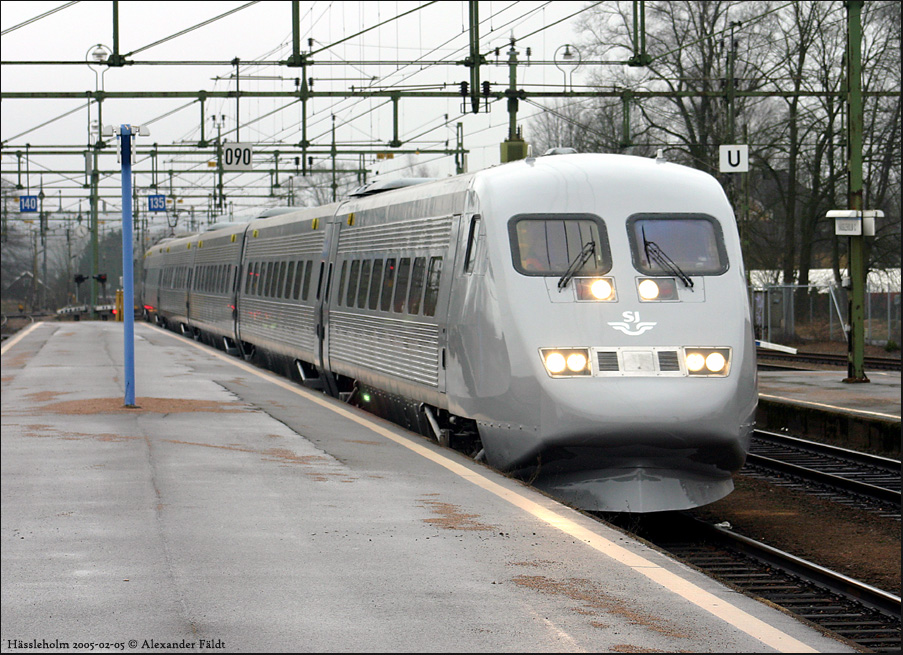
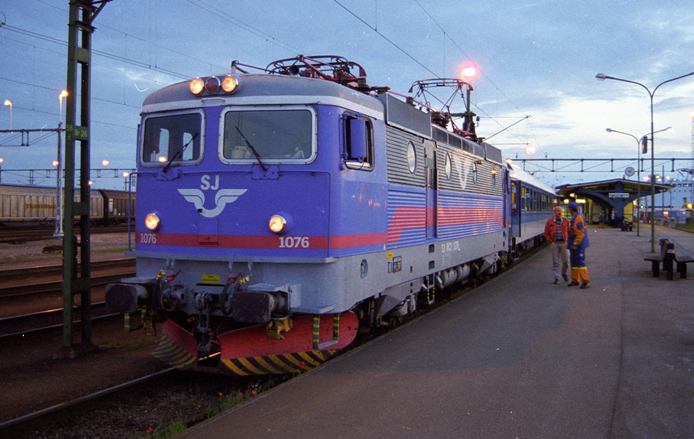
For further information concerning the timetables and ticket reservations, please contact The prices may vary depending on when you buy the ticket and how old you are. To get a student discount you need to be a student at a Swedish university and be able to show proof of that, as well as a student card. For details on which document or ID is valid by different companies, contact them directly or check for information on their webpages. If you are under 26 years of age you will receive a lower price (very often the same as the student discount). The cheapest price for students and youth under 26 is if you buy a last minute ticket, in Swedish "sista minuten". There are also other tickets to choose between, for more information see SJ's website www.sj.se. |
||
By Bus |
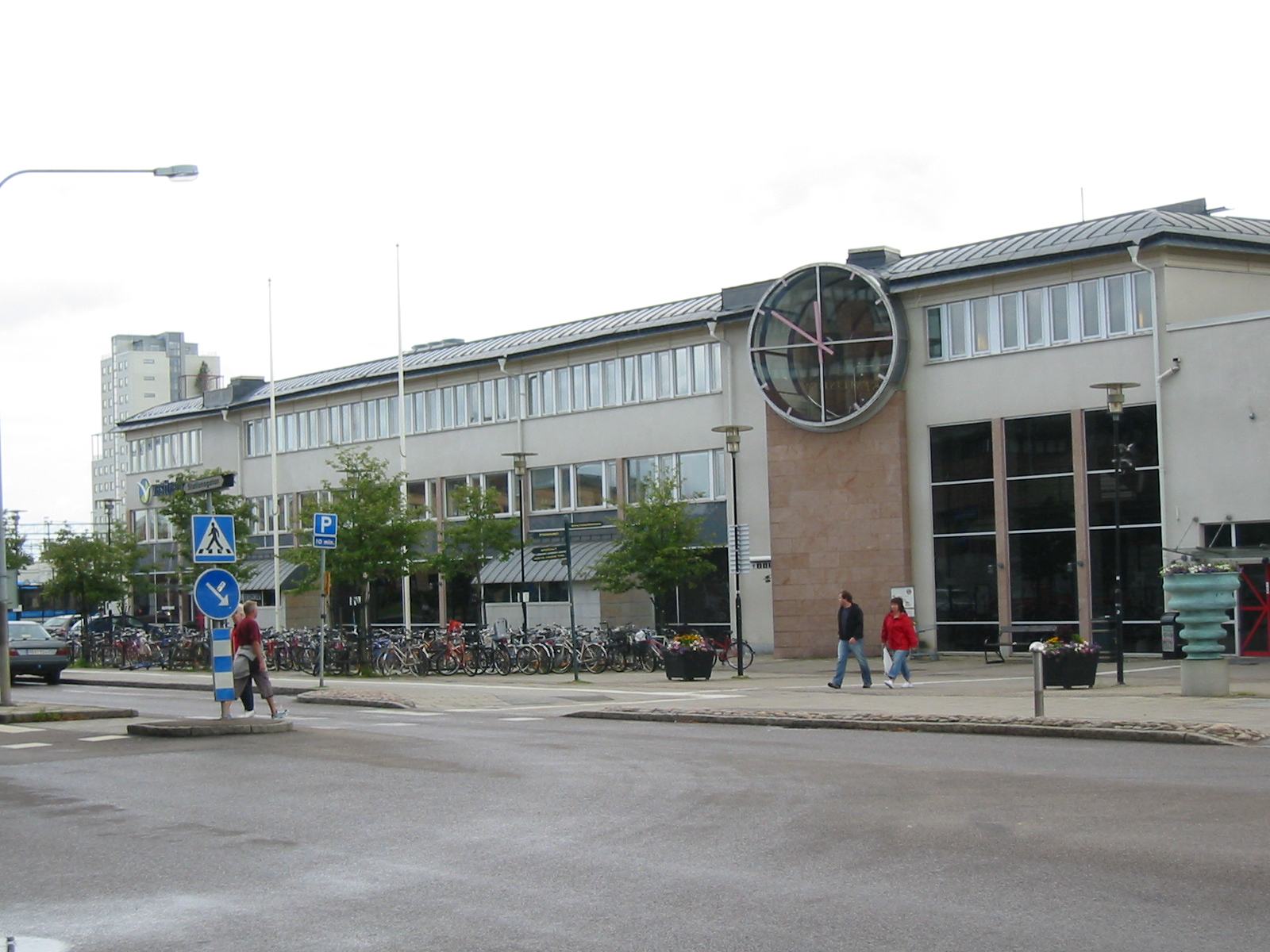
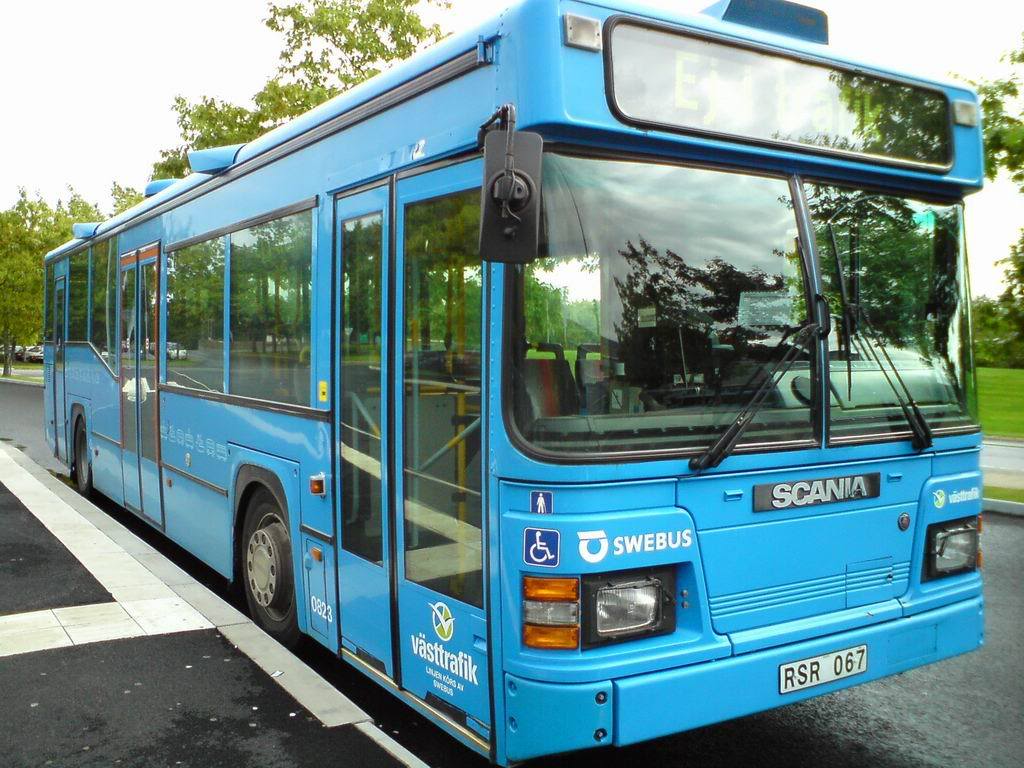
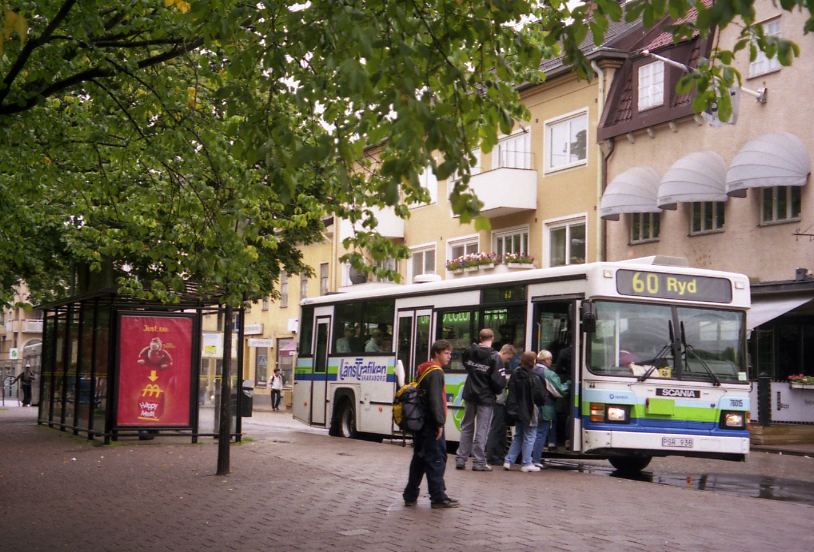
Skovde in Sweden offers intercity bus connections to more than 5 cities in Sweden like Stockholm, Gothenburg and Karlstad. Some of the most popular companies departing from Skovde are: Vy Bus4you and Nettbuss. The bus stop for the local and regional buses is just outside the station. Stationsgatan 7-9 ,541 30 Skövde. |
||
By Taxi |
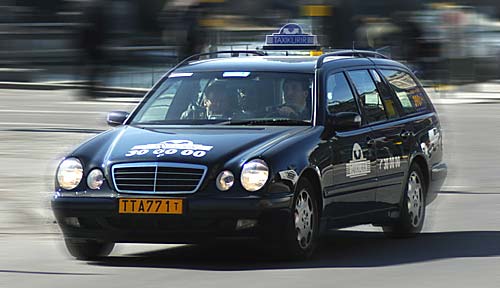
If you want to call for a taxi, use the app Cabonline. |
||
By Car |
If you are driving from Southern Europe to Sweden one option is to go by boat from Germany to Sweden. Take the boat to either Ystad or Göteborg (Gothenburg). Göteborg is closest as it is only a two hour drive to Skövde. You can also take a boat from Germany to Denmark and then drive over the bridge connecting Copenhagen and Malmö. There is a fee for crossing the bridge. |
||
On Foot
|
ASSAR is within walking distance of all conference hotels. |


Maps
The conference takes place in The ASSAR Industrial Innovation Arena.
Click on the above map to enlarge